
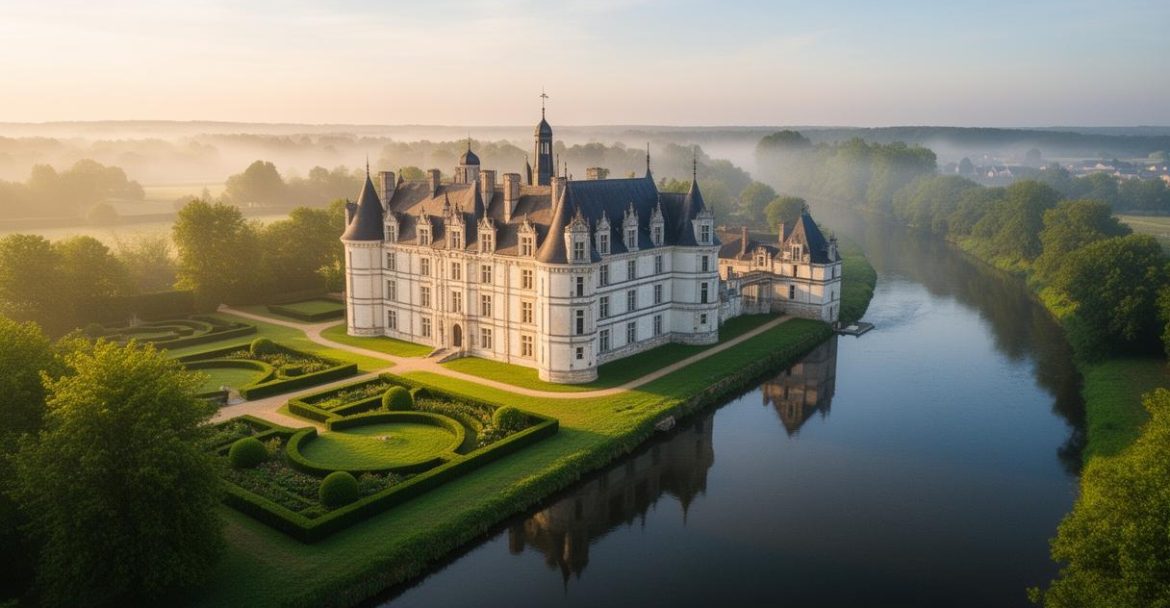
Stretching across the heart of France, the Loire Valley remains one of Europe's most captivating destinations, a place where history, art, and landscape blend into something rather extraordinary. This gentle river valley, celebrated as a UNESCO World Heritage site, is home to more than a hundred châteaux, each with its own story to tell. Whether you're drawn by the promise of Renaissance architecture, sprawling gardens, or simply the chance to wander through centuries of French heritage, mapping out a journey through this region rewards even the most casual traveller.
What to know
- The Loire Valley, a UNESCO World Heritage site, features over a hundred castles that showcase centuries of French history and Renaissance architecture.
- Planning a visit requires a map to navigate the vast region, which stretches approximately 240 kilometres and includes diverse estates beyond the main riverbanks.
- Visitors can explore the valley through flexible options such as car rentals, cycling routes, or unique aerial perspectives like hot air balloons.
- To ensure a high-quality experience, experts recommend limiting sightseeing to two castles per day to fully appreciate their art, history, and architecture.
- The region's cultural identity is deeply influenced by the Italian Renaissance, highlighted by the architectural variety at Blois and the enduring legacy of Leonardo da Vinci near Amboise.
- Beyond the stone structures, the valley is famous for its meticulously designed gardens, such as the geometric masterpiece at Villandry and the annual festival at Chaumont-sur-Loire.
Navigating the Loire Valley: Your Essential Castle Map and Route Planning
Before setting off, it helps to understand just how vast this region truly is. The Loire Valley stretches roughly two hundred and forty kilometres, running from the Château de Serrant all the way to the Château de Sully-sur-Loire. Within this corridor lie dozens of estates, though not all sit directly on the riverbanks. The Château du Lude, for instance, sits some forty-five kilometres north of the water, while the Château du Rivau marks the southernmost point, a mere ten kilometres from the Loire itself. Having a clear map in hand, or on your phone, makes all the difference when deciding which route suits your interests and how much ground you can realistically cover.
Mapping the Royal Domains: From Chambord's Grandeur to Chenonceau's Elegance
At the centre of any itinerary sit the great names: Chambord, with its unmistakable silhouette and sprawling grounds, and Chenonceau, famously arched over the River Cher. Nearby, Blois and Amboise offer their own chapters of royal history, while further afield, Saumur and Angers stand as significant royal fortresses worth the detour. For those seeking something a little different, the Château de Brézé offers an underground fortress unlike anything else in the region, and the Château de Goulaine houses a curious cabinet of curiosities that surprises many first-time visitors. Altogether, over a hundred monuments remain open to the public across spring, summer, and autumn, giving travellers plenty of scope to build a route around personal taste rather than a fixed checklist.
Planning Your Journey: Travelling by Car, Bicycle, and River Through the Valley
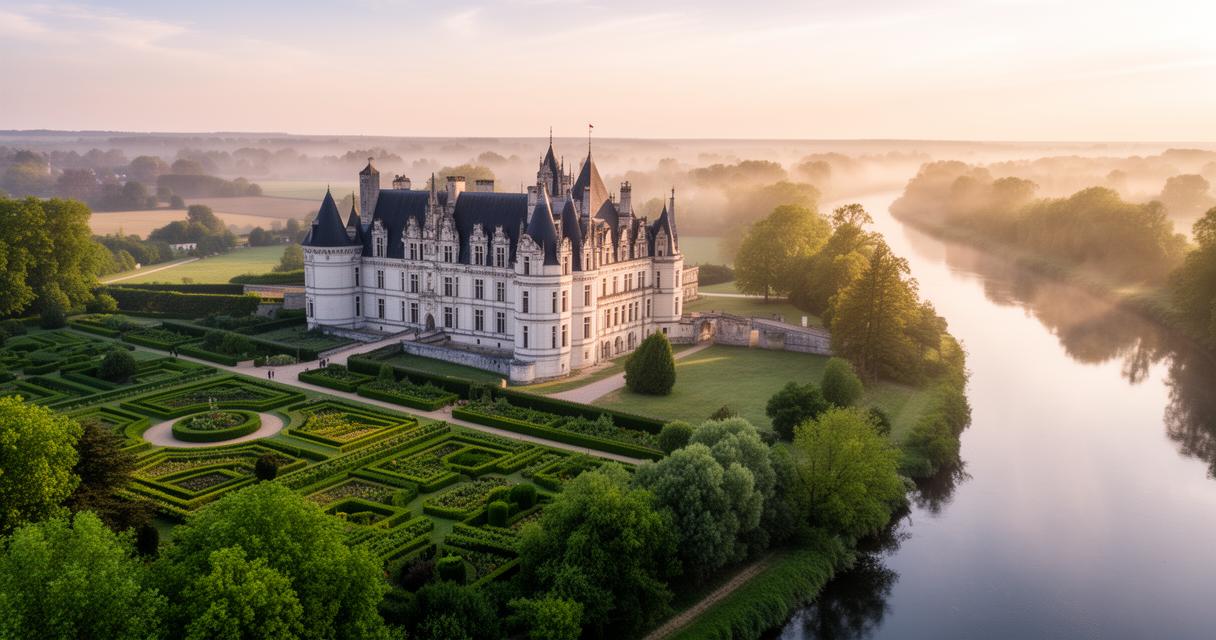
How you choose to travel shapes the entire experience. Many visitors hire a car for flexibility, though cycling routes have grown increasingly popular among those wanting a slower, more eco-friendly pace through vineyards and riverside paths. For a genuinely memorable perspective, hot air balloon flights drift silently above the UNESCO-listed landscape, while helicopter tours and even ultralight flights offer a bird's eye view of the châteaux scattered below. Seasoned travellers generally suggest visiting no more than two castles per day, allowing time to properly absorb each setting rather than rushing between gates. Day trips from Paris are also widely available, making the Loire accessible even for those with limited time, and online ticket booking has simplified planning considerably for busy summer months.
Renaissance splendour: the historic significance of loire's magnificent châteaux
The Loire Valley earned its reputation largely through the Renaissance, a period when French monarchs and nobles transformed medieval fortresses into refined residences. This architectural shift, blending Italian influence with French tradition, produced some of the most admired buildings in European history, and much of that legacy remains remarkably well preserved today.
Blois, Azay-le-Rideau, and Chinon: Architectural Gems of the French Renaissance
Château de Blois offers a fascinating architectural timeline within a single courtyard, showcasing four distinct periods of French design side by side. Azay-le-Rideau, meanwhile, rises elegantly from its moat, often considered one of the purest expressions of Renaissance style in the entire valley. Chinon, with its more rugged, medieval character, provides a striking contrast, reminding visitors that this region's story didn't begin with the Renaissance but was shaped by centuries of conflict, diplomacy, and royal intrigue beforehand.
Leonardo da Vinci's Legacy: The Italian Master's Enduring Connection to the Loire
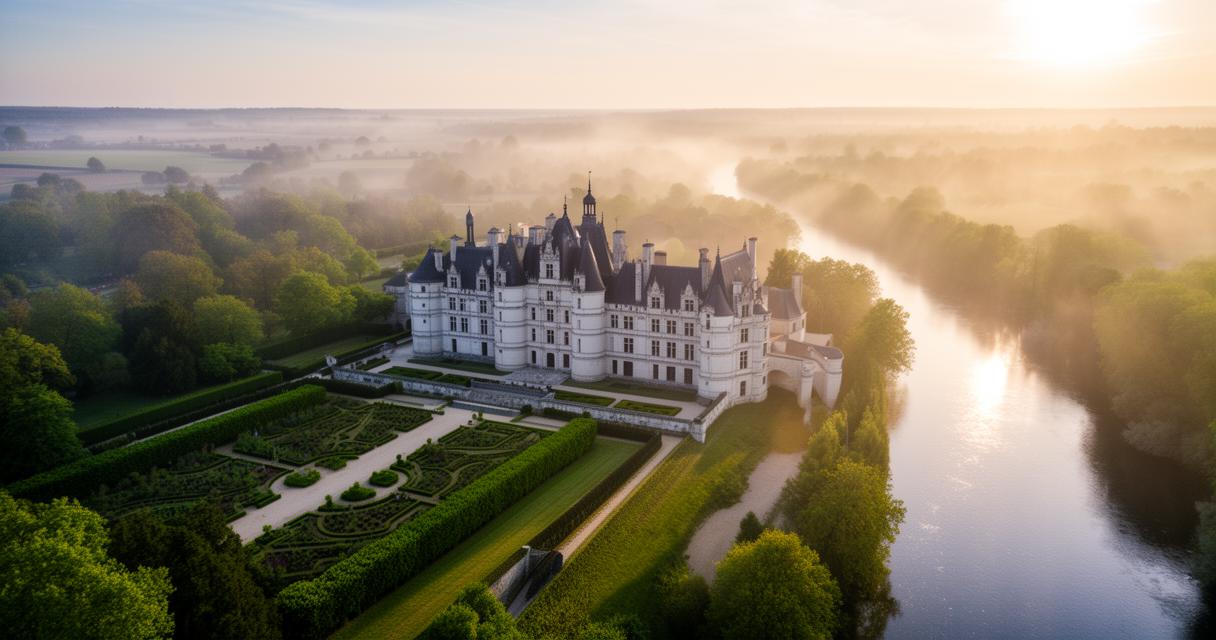
Few figures are as closely tied to this region's cultural identity as Leonardo da Vinci. Invited by King Francis I, the Italian master spent his final years near Amboise, where his influence on French art and architecture lingered long after his death. This connection remains a point of pride locally, and many themed tours now trace his footsteps, offering visitors a deeper appreciation of how Italian Renaissance thinking shaped the châteaux we admire today.
Enchanting Gardens and Cultural Heritage: Exploring Cheverny, Villandry, and Beyond
Beyond the stone walls and grand halls, the gardens of the Loire Valley deserve equal attention. These carefully designed landscapes often reveal as much about their era as the buildings they surround.
Horticultural Masterpieces: The Stunning Gardens and Parks Surrounding the Royal Estates
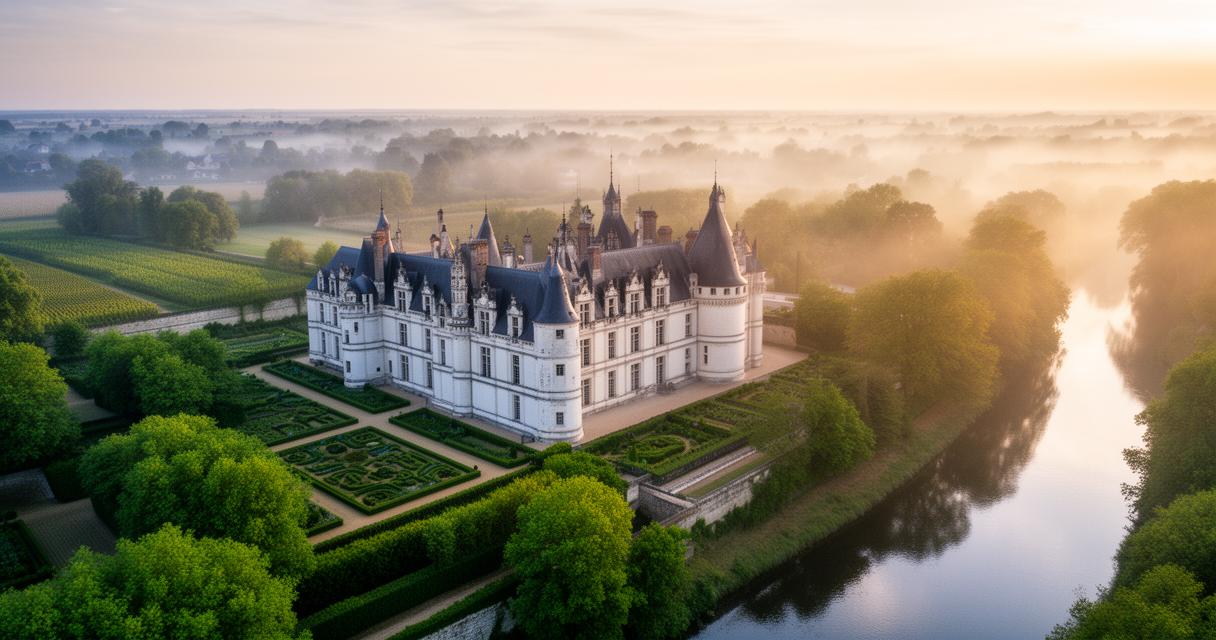
Château de Villandry stands apart for its extraordinary Renaissance gardens, arranged in geometric precision that draws visitors from around the world. Le Rivau, too, offers imaginative garden design paired with contemporary art installations, a refreshing blend of old and new. Cheverny, known for its refined interiors, complements its grounds with equally elegant parkland, while Chaumont-sur-Loire hosts an internationally recognised garden festival each year, attracting designers and enthusiasts alike.
The Loire as the Heart of French Culture: A Must-Visit Destination for Discerning Tourists
Accommodation throughout the valley ranges widely, from cosy bed and breakfasts to the rare opportunity of sleeping within a château itself. Traditional cuisine remains central to the experience, with many estates offering tearooms or private dining rooms for hire. Cultural offerings extend well beyond the castles too, including abbeys, cathedrals, museums, and art galleries scattered throughout towns like Tours, Angers, and Saumur. With private guides available for those wanting deeper historical context, and flexible vacation packages making booking straightforward, the Loire Valley continues to affirm its place as one of France's most essential cultural destinations, deserving far more than a single fleeting visit.