
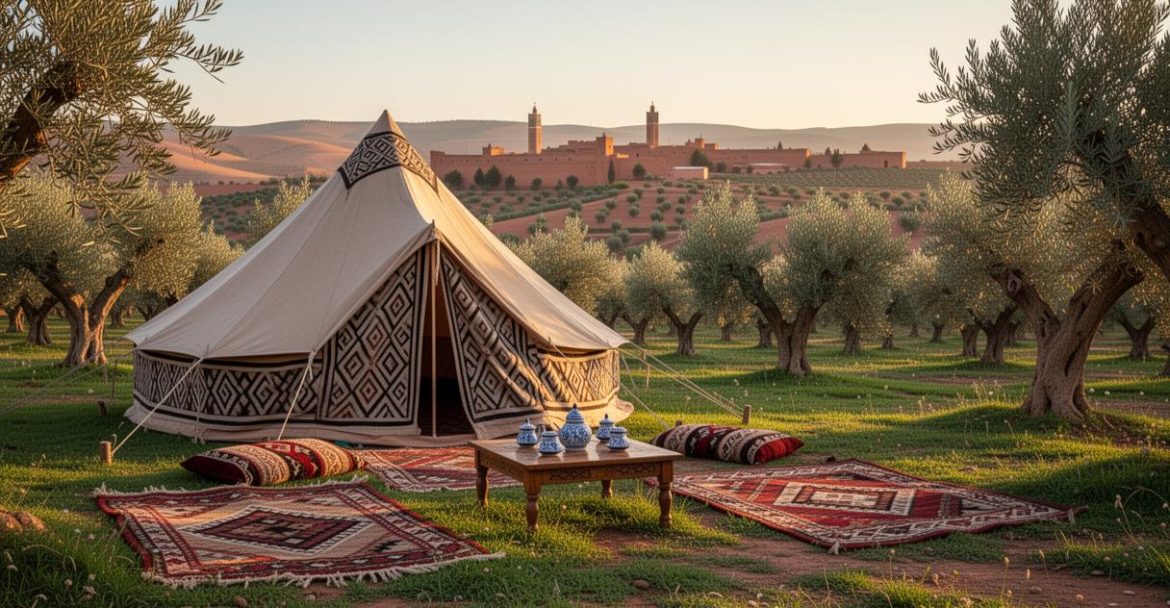
Morocco has a way of pulling travellers into its rhythm almost immediately, and nowhere is this more apparent than in Fes, a city where imperial grandeur and rustic desert charm sit comfortably side by side. For those drawn to cultural tours that go beyond the usual tourist trail, Fes offers a rare blend of history, craftsmanship, and natural beauty that rewards slow exploration. Whether you arrive seeking ancient architecture or simply a night beneath a blanket of stars in the desert, this corner of Morocco has a habit of exceeding expectations.
What to know
- Fes, the oldest of Morocco’s Imperial Cities, is celebrated for its UNESCO-protected Medina, intricate Islamic architecture, and long-standing historical importance.
- The journey through Morocco offers a striking contrast between the intense, bustling life of ancient cities and the quiet, natural landscapes of the High Atlas Mountains.
- Well-structured Moroccan itineraries typically combine urban exploration with scenic routes through the Sahara, including stops at historic sites like Ait Benhaddou and the dunes of Merzouga.
- Engaging with local Berber communities provides travelers with authentic insights into traditional customs, craftsmanship, and daily life through direct social interaction.
- Luxury desert camping allows visitors to experience the Sahara’s beauty while participating in traditional storytelling and music around the campfire.
- Morocco’s rich oral traditions, shared during desert nights, serve as a vital cultural link to ancestral wisdom, trade history, and desert folklore.
Fes: Gateway to Morocco’s Imperial Heritage and Natural Wonders
Founded in the year 789, Fes holds the distinction of being the oldest of Morocco’s Imperial Cities, and it wears that history proudly. Wandering through its ancient Medina, a site protected under UNESCO World Heritage status, visitors quickly understand why this labyrinthine old town has captivated travellers for centuries. Every alleyway seems to lead somewhere unexpected, whether that’s a hidden courtyard or a workshop where craftsmen continue trades passed down through generations.
UNESCO Treasures and Historical Landmarks in the Heart of Fes
Among the city’s most striking sights is the Medersa Bou Inania, a masterwork of Islamic architecture with intricately carved cedar wood and zellige tilework that still manages to stop visitors in their tracks. Nearby, the University of Al-Qarawiyyin stands as a testament to Morocco’s intellectual heritage, having been established in 859 and recognised as one of the oldest universities in the world. The mausoleum of Moulay Idriss, tucked within the Medina, adds a spiritual layer to the city’s story, drawing pilgrims and curious travellers alike. For anyone keen on tailored experiences, guided tours through these sites offer context that’s easy to miss when exploring alone, and entrance fees remain modest, often ranging up to 25 MAD.
The Atlas Mountains and Cedar Forests: Nature’s Backdrop to Cultural Immersion
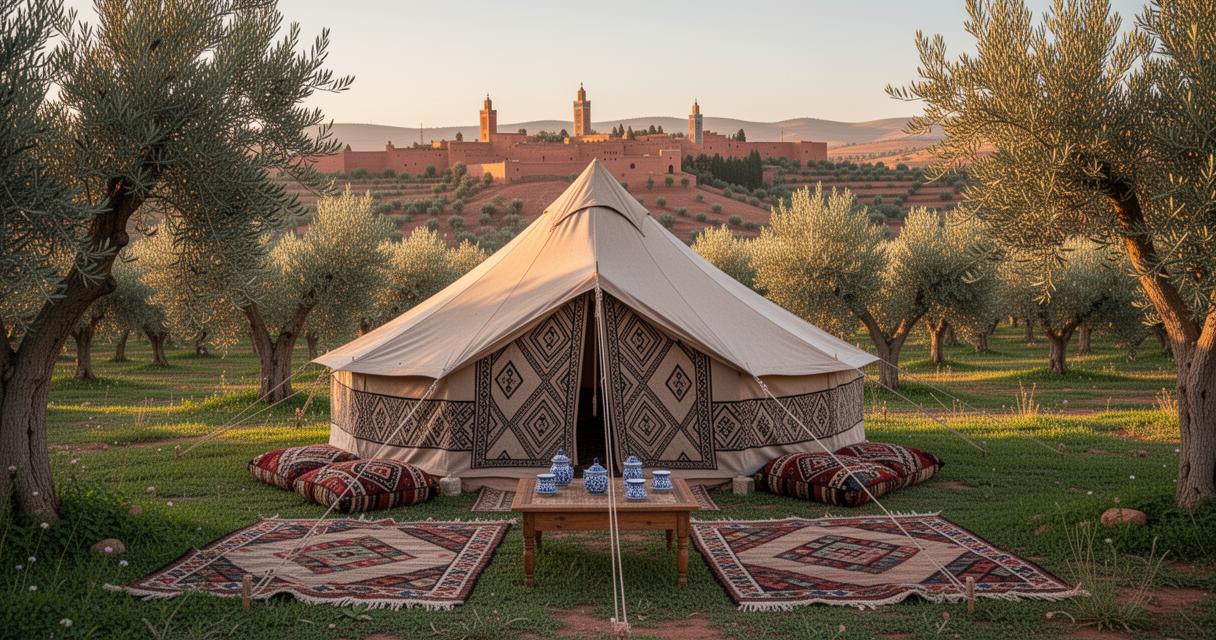
Beyond the city walls, the High Atlas Mountains rise dramatically, offering a natural counterpoint to the urban intensity of the Medina. The cedar forests scattered across these slopes provide a cool, quiet retreat, and it’s here that many travellers first encounter Morocco’s famous Barbary macaques swinging through the branches. This landscape isn’t merely scenic backdrop; it’s woven into the daily life of nearby villages, where cedar wood has long been harvested for construction and craft. The contrast between mountain stillness and Medina bustle creates a rhythm that defines much of the Fes experience.
From golden dunes to berber villages: a journey through morocco’s diverse landscapes
Travelling onward from Fes typically means joining a broader circuit that captures the astonishing diversity of Morocco’s terrain. A well-structured twelve-day, eleven-night itinerary often connects Marrakech and Casablanca with stops throughout the Sahara Desert, the Atlas ranges, and the imperial cities, giving travellers a genuine sense of how varied this country truly is.
Exploring the Desert Circuit: Marrakech, Merzouga, and the Enchanting Sahara
Most journeys begin in Marrakech, where arrival typically involves a transfer to a traditional riad followed by optional exploration of the city’s energetic streets. A half-day guided tour usually follows, taking in Marrakech’s landmarks before free time allows travellers to sample the atmosphere of outdoor food grills as evening falls. From there, routes wind through Ait Benhaddou’s fortified village, the dramatic cliffs of Todra Gorge, and finally toward Merzouga, where the Sahara’s golden dunes stretch endlessly toward the horizon. This desert circuit ranks among Morocco’s most photographed experiences, and rightly so.
Traditional berber life: discovering authentic villages and time-honoured customs
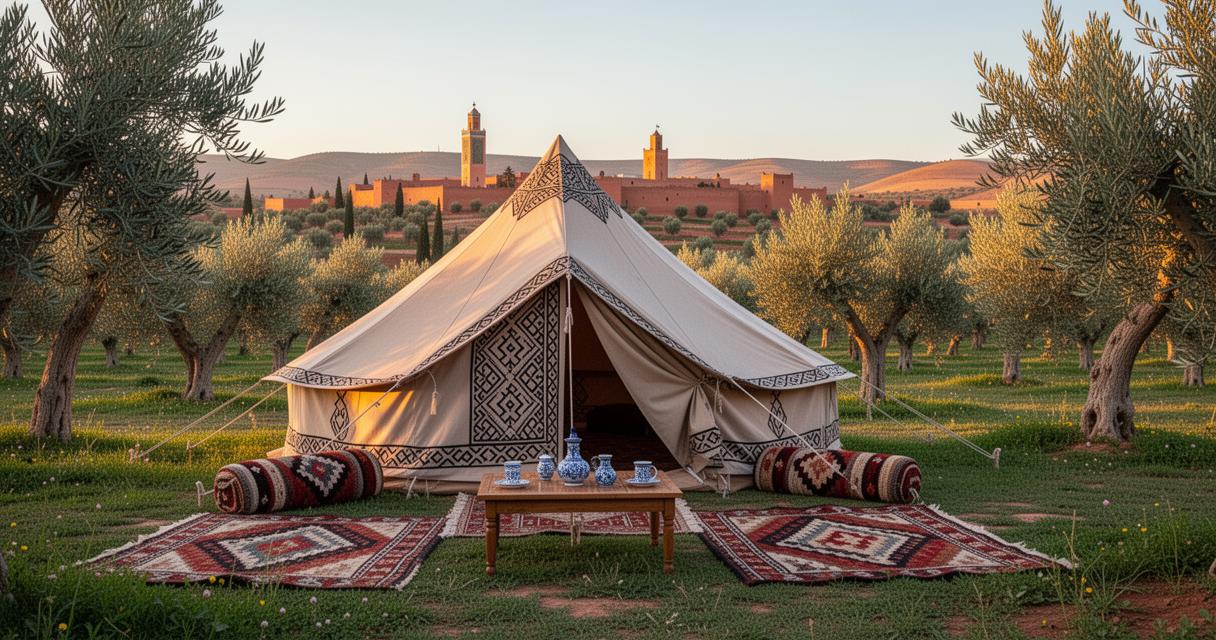
Scattered throughout the Atlas foothills and desert fringes are Berber villages that offer a glimpse into a way of life that has remained largely unchanged for generations. Local families often welcome visitors with mint tea and homemade bread, sharing stories about farming, weaving, and seasonal migration. These encounters, arranged through guided tours, provide far richer insight than any museum display, connecting travellers directly to the people whose customs shaped the region long before modern tourism arrived.
Luxury camping and oral traditions: where comfort meets cultural authenticity
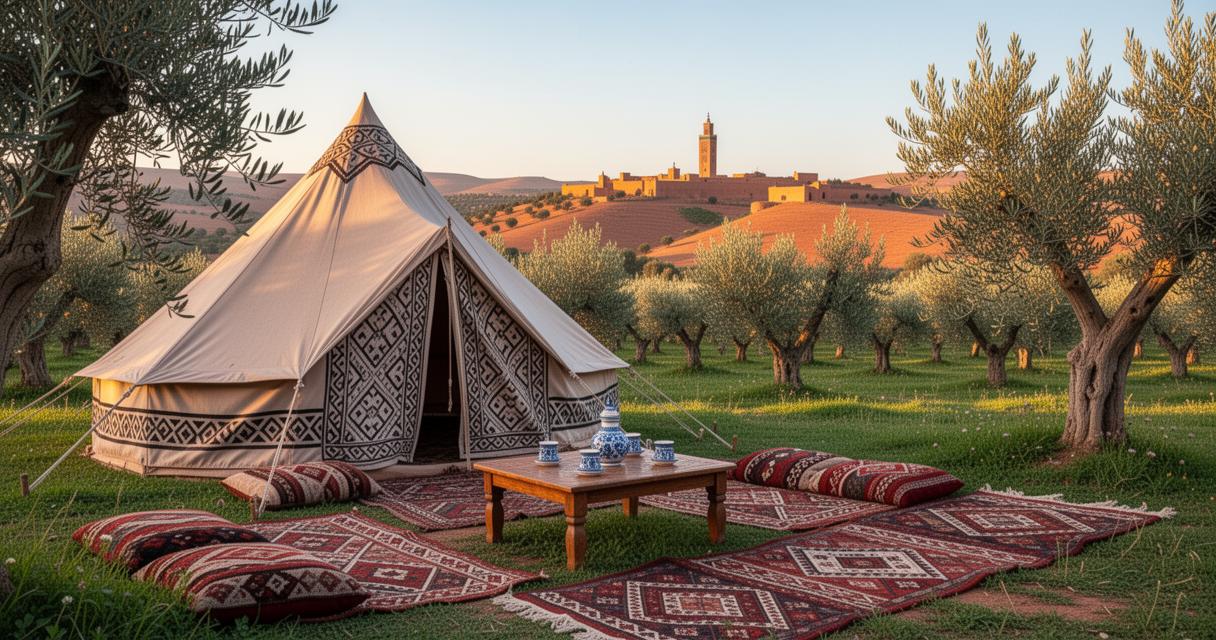
For many travellers, the desert nights become the emotional centrepiece of the entire journey. Camping in Fes and its surrounding regions no longer means roughing it; luxury tours now offer comfortable tented accommodation without sacrificing the raw beauty of the desert setting.
Experiencing morocco’s storytelling heritage beneath the stars
As night falls over the dunes, campfires often become gathering points for storytelling, music, and shared meals featuring tagines and pastillas prepared with recipes passed down through generations. This oral tradition, central to Moroccan culture, transforms a simple evening into something memorable, as local guides recount tales of desert life, trade routes, and ancestral wisdom. It’s a reminder that Morocco’s heritage lives not only in its monuments but in its voices.
Unforgettable Sunsets and Serene Nights: The Magic of Desert Camping in Fes
Reviews from travellers consistently highlight the desert sunsets as a defining highlight, with the sky shifting through shades of orange and violet before darkness reveals a canopy of stars rarely seen in cities like Casablanca or Rabat. Many itineraries also include stops at Meknes and the coastal charm of Rabat, alongside archaeological sites that add historical depth to the journey. Whether travelling in spring or autumn, when mild weather makes exploration far more pleasant, Morocco’s blend of imperial cities, mountain landscapes, and desert camping continues to leave a lasting impression on all who experience it.